WHY ARC?
CARSON AIR ACCIDENT 2015 Vancouver (CYVR)
Summary
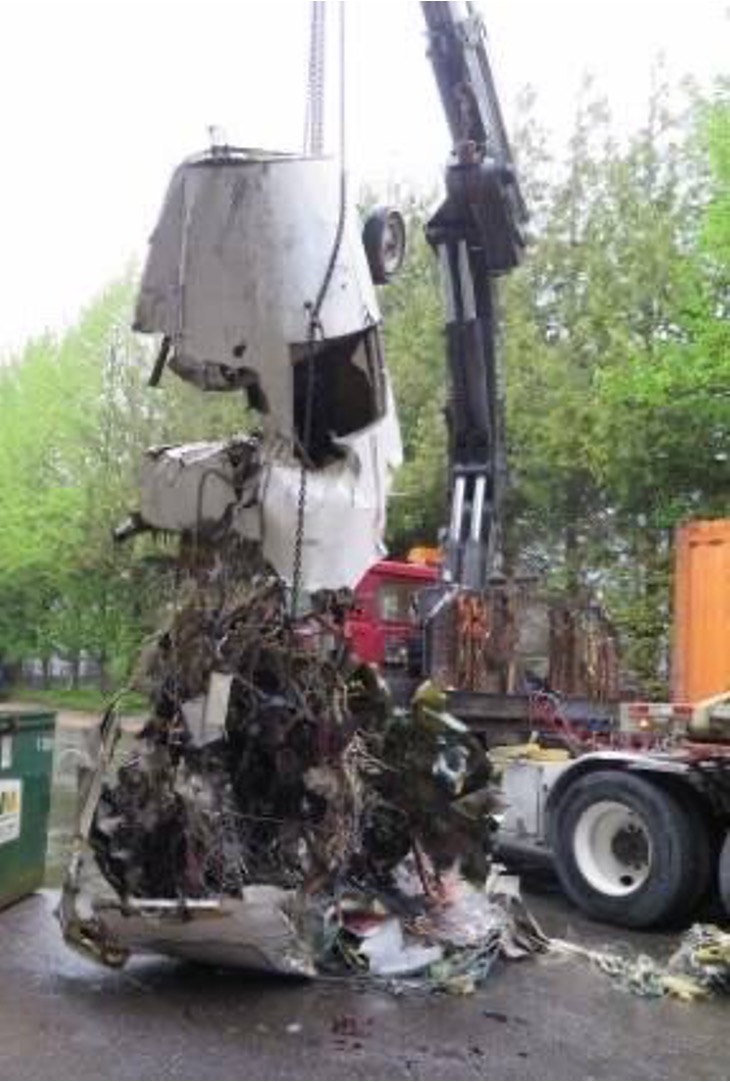
On 13 April 2015, Carson Air Ltd. flight 66 (CA66), a Swearingen SA226-TC Metro II (registration C-GSKC, serial number TC-235), departed Vancouver International Airport (CYVR), British Columbia, with 2 pilots on board for an instrument flight rules flight to Prince George, British Columbia. At 0709 Pacific Daylight Time (PDT), approximately 6 minutes after leaving Vancouver, the aircraft disappeared from air traffic control radar while climbing through an altitude of 8700 feet above sea level in instrument meteorological conditions, about 4 nautical miles north of the built-up area of North Vancouver. Deteriorating weather conditions with low cloud and heavy snowfall hampered an air search; however, aircraft wreckage was found on steep, mountainous, snow-covered terrain by ground searchers at approximately 1645 PDT. The aircraft had experienced a catastrophic in-flight breakup. Both pilots were fatally injured, and the aircraft was destroyed. Although the aircraft’s 406-megahertz emergency locator transmitter activated, the antenna was damaged and no signal was received by the Cospas Sarsat (international satellite system for search and rescue). The accident occurred during daylight hours
1.16.2 Captain’s pathological information
The captain was 34 years old at the time of the accident. His most recent aviation medical examination had been completed on 27 June 2014. The captain’s TC aviation medical records did not reveal any indication of a medical condition or history that might have played a role in the accident.
Post-mortem toxicological screening revealed the presence of ethyl alcohol in the captain’s system. Femoral blood was found to contain 52 mmol/L (0.24% blood alcohol content [BAC]). Urine was found to contain 54 mmol/L (0.25%), and vitreous humour contained 59 mmol/L (0.27%). These concentrations established that the captain had likely consumed alcohol over a period of several hours, until shortly before the flight’s departure. An autopsy identified focal severe coronary artery atherosclerosisand both steatosis and hepatitis in the captain’s liver. Finding these conditions in a 34-year-old person suggests excessive alcohol consumption over a significant period.
A number of company employees had suspicions, and some had voiced concerns with colleagues, that the captain had a drinking problem. On at least one occasion, a company employee told a Carson Air supervisor that he had smelled alcohol on the captain’s breath; however, the supervisor did not detect an alcohol odour, so the issue was not pursued further. Instead, a decision was made to monitor the situation.
Transportation Safety Board (TSB) Recommendations
4.2 Safety action required
A number of countries, including the United States, Australia, and the United Kingdom, have identified the hazards to aviation posed by drug and alcohol use and have implemented programs to help ensure that individuals are not impaired while carrying out safety-sensitive functions. In the United States, random testing for both drugs and alcohol is mandatory for all transportation workers, as well as for others employed in safety-sensitive occupations. In Australia, random breath-testing is now carried out in all transportation modes, including aviation, marine, rail, and public transport. In the United Kingdom, all air operator certificate holders and air navigation service providers are required to include a drug and alcohol policy in their safety management systems.
In addition to the Criminal Code of Canada prohibition against operating an aircraft while impaired, Transport Canada (TC) regulations prohibit pilots from operating aircraft while unfit for duty. TC has issued a framework for medical standards for pilots along with guidelines for civil aviation medical examiners, pilots, and other licensed employees in safety-sensitive functions. The framework relies significantly on self-policing by such personnel and, to a large extent, an expectation that they will voluntarily report a health issue (including a mental health issue such as drug or alcohol dependence) to their medical examiner and will remove themselves from active duty if medically unfit or impaired.
The TSB has identified drug and alcohol use as a factor in previous investigations. As well, several incidents involving pilots who reported for work while impaired have been covered prominently in the media. In a number of cases, it was an airport employee or a co-worker of an impaired pilot who ultimately served as the last line of defence and prevented the impaired pilot or pilots from operating an aircraft. While effective in those cases, this defence is insufficient on the whole.
Existing laws, regulations, standards, and guidance may be effective at mitigating some of the risks associated with substance use among pilots and others in safety-sensitive functions; however, there continue to be occurrences in which impaired individuals are not identified or prevented from operating an aircraft.
If there is no regulated drug- and alcohol-testing requirement in place to reduce the risk of impairment of persons while engaged in safety-sensitive functions, employees may undertake these duties while impaired, posing a risk to public safety. Although random drug and alcohol testing can be an effective way to identify individuals who may be at risk of performing safety-sensitive duties while impaired, it is only one aspect of a comprehensive response to inappropriate drug and alcohol use in aviation. Testing programs are most effective when complemented by other initiatives, including education, employee assistance programs, rehabilitation and return-to-duty programs, and peer support. Therefore, the Board makes the following recommendation(s):
Transportation Safety Recommendation A17-02
The Department of Transport, in collaboration with the Canadian aviation industry and employee representatives, develop and implement requirements for a comprehensive substance abuse program, including drug and alcohol testing, to reduce the risk of impairment of persons while engaged in safety‑sensitive functions. These requirements should consider and balance the need to incorporate human rights principles in the Canadian Human Rights Act with the responsibility to protect public safety.
Copyright © 2026 Aircrew Recovery Canada. All Rights Reserved. | Designed by Treefrog Inc.